

Most people look at their freshly painted wall and think, “That looks good enough.” But what looks fine after drying often hides problems that won’t stay hidden for long.
When you apply only one coat of paint, you’re essentially giving your wall a thin cosmetic layer — not a durable finish. It might look complete, but it lacks the depth, protection, and uniform coverage that make paint jobs last.
Whether you’re updating your home interior or managing a full interior house painting project in Peters Township, understanding why two coats matter can save you time, money, and frustration down the road.
Why One Coat of Paint Isn’t Enough
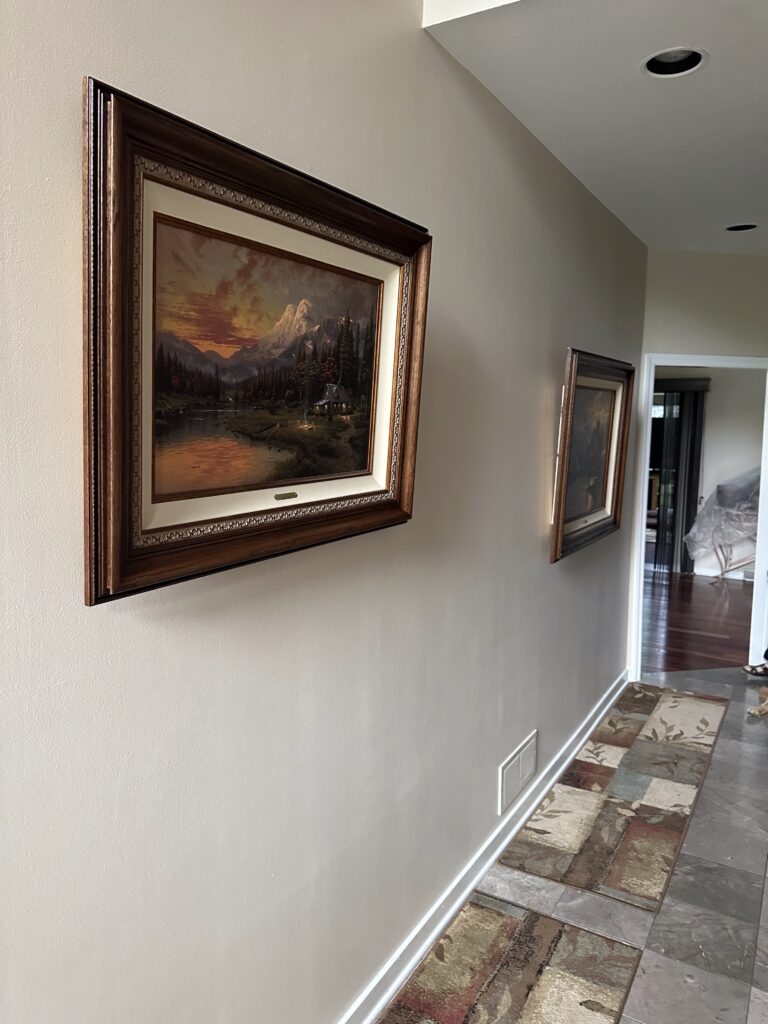
One coat of paint might appear to cover the wall, but in reality, it’s only doing half the job. Beneath that surface, several issues begin forming the moment the paint dries.
Uneven Coverage and Patchy Color
Walls absorb paint unevenly—especially unprimed drywall, patched areas, or textured surfaces. With one coat of paint, you’ll often see lighter patches or visible roller strokes once the light hits from certain angles.
Even high-hiding paints like Sherwin-Williams Emerald® or Behr Marquee® still recommend two coats for full opacity and even sheen.
Weaker Film Build and Durability
A single coat of paint doesn’t achieve the manufacturer’s recommended dry film thickness (typically 3–4 mils for acrylic latex). That means your finish is thinner, less washable, and more prone to scuffs or fading.
Without the second coat, you lose the protective layer that seals the surface against moisture, UV light, and everyday wear.
Uneven Sheen and Finish
Ever notice glossy and dull patches across your wall? That’s a telltale sign of uneven absorption. The second coat of paint balances the sheen so the entire surface reflects light uniformly.
The Science Behind Why Paint Needs Two Coats
Painting isn’t just about color—it’s about chemistry. Two coats don’t just double the paint; they complete the protective system.
Paint Film Build: The Protective Layer You Don’t See
Each coat of paint creates a film that protects the wall from environmental factors like humidity, friction, and UV exposure.
A single coat may achieve 40–60% of the target film build, leaving microscopic gaps. The second coat fills those voids, locking in protection and color consistency.
Primer and Paint Systems Work Together
Even “paint and primer in one” products rely on two finish coats.
Professional-grade systems—like Benjamin Moore Aura® or PPG Timeless®—use engineered resins that bond optimally when applied in multiple layers. Skipping one coat of paint disrupts this process and can void manufacturer warranties.
Environmental Impact on a Single Coat
In hot, dry environments, a thin coat of paint can dry too quickly, trapping roller marks or dull streaks. In humid rooms like bathrooms or basements, that same coat might not cure properly, leading to poor adhesion or bubbling.
Proper film thickness is what allows paint to endure moisture and temperature shifts—something one layer rarely achieves.
What Happens When You Stop After One Coat
| Visual Sign | Likely Cause | What It Means | Long-Term Result |
|---|---|---|---|
| Patchy, uneven color | Uneven coverage | Inconsistent film build | Visible substrate |
| Dull and shiny spots | Uneven absorption | Uneven sheen | Blotchy finish |
| Peeling or flaking early | Weak adhesion | Thin coat of paint | Early failure |
| Fading within 2 years | UV breakdown | Insufficient pigment density | Premature repaint |
How to Fix a One-Coat Paint Job — Professionally and Fast
So what if the job’s already done with one coat? Don’t panic. You can correct it without starting from scratch.
Step 1: Inspect and Identify the Problem
Turn on strong, angled lighting to reveal thin spots, flashing, or uneven sheen. Look closely near corners, edges, and high-traffic areas where coverage tends to be weakest.
Professionals use this inspection to determine if the issue needs touch-ups or a full second coat of paint.
Step 2: Lightly Sand the Surface
Sanding helps smooth roller marks and prepares the wall for reapplication.
Use 220-grit sandpaper or a fine sanding sponge. Avoid over-sanding—just enough to dull the sheen for better adhesion.
Wipe clean with a microfiber cloth before proceeding.
For exterior surfaces, proper surface cleaning like pressure washing or hand scraping ensures that the second coat bonds securely.
Step 3: Apply a Second Coat Properly
Load your roller evenly—avoid overloading or dry rolling. Apply paint in overlapping “W” or “M” patterns, maintaining a wet edge to prevent lap marks.
Let the first coat dry completely per manufacturer instructions (usually 4–6 hours for latex paints).
When you apply the second coat of paint, you’ll notice smoother texture, richer color, and improved sheen balance almost immediately.
Step 4: Use the Same Paint Product
Mixing brands or sheens leads to color shifts and adhesion issues. Always use the same batch or formula as the original coat.
If the product has been sitting for over a month, stir thoroughly before reuse—settled pigments can affect uniformity.
Professional Techniques: How Experts Prevent One-Coat Mistakes
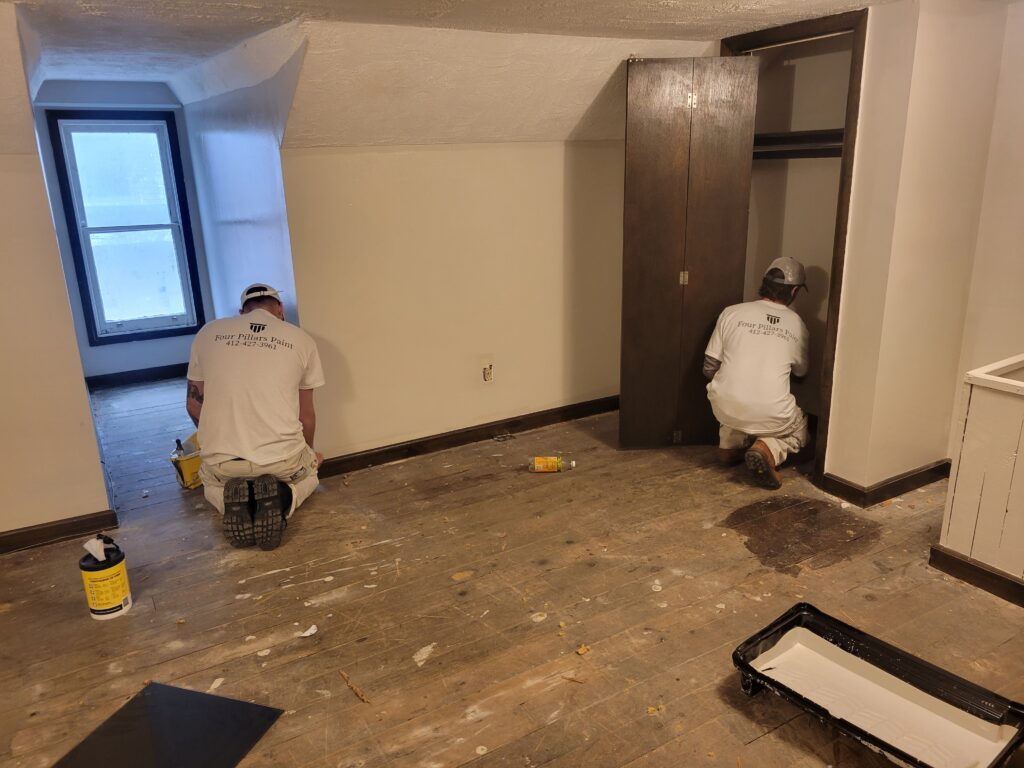
Experienced painters—like the team at Four Pillars Paint—never rely on a single coat of paint to deliver lasting results. The difference comes down to preparation, product selection, and precision.
Proper Surface Prep
Every professional job begins with clean, properly primed surfaces.
Bare drywall, patched sections, or glossy finishes require a primer before applying the first coat of paint. This step prevents the wall from absorbing paint unevenly and ensures maximum adhesion.
Controlled Application Conditions
Temperature and humidity affect how well each coat of paint levels and cures.
Pros maintain ideal conditions (between 50°F–85°F and 40–60% humidity) to prevent premature drying or tacky finishes.
They also use wet-edge rolling techniques and staggered section painting to keep each coat consistent.
Using Professional-Grade Products
Professional-grade paints contain higher resin and pigment content, offering superior coverage and film integrity—but only when applied as a two-coat system. Brands like Sherwin-Williams Duration Home®, PPG Speedhide®, and Benjamin Moore Regal Select® deliver outstanding durability in high-traffic interiors when used correctly.
To understand why professional-grade acrylic coatings outperform traditional oils, see acrylic paint outperforms oil for an in-depth technical comparison.
When One Coat Might Actually Be Enough (Rarely)

There are rare instances where a single coat of paint is acceptable. Professionals still evaluate carefully before making that decision.
Same-Color Maintenance Repaints
If you’re repainting with the exact same color and sheen, one coat of paint can refresh the finish without needing full coverage.
This approach is common for quick apartment turnovers or light maintenance work between tenants.
Primed or Lightly Tinted Surfaces
If the wall was primed with a high-build product and you’re applying a similar shade, one coat may provide adequate coverage.
Example: white-on-white repaints using Sherwin-Williams Cashmere® or Benjamin Moore Ben®.
Low-Use Areas
Ceilings, closets, and storage spaces can often get by with one coat of paint since they experience minimal wear and tear.
However, for consistent appearance throughout your home or property, two coats remain the professional standard.
Cost and Performance Comparison Over Time
| Aspect | One Coat | Two Coats | 5-Year Result |
|---|---|---|---|
| Paint & Material Cost | Slightly lower | Slightly higher | Two coats pay off long-term |
| Durability | Moderate | Excellent | 30–50% longer lifespan |
| Appearance | Uneven | Uniform | Consistent color and sheen |
| Maintenance | Frequent touch-ups | Minimal | Reduced labor costs |
| Warranty | Often void | Fully valid | Manufacturer-backed protection |
Long-Term Protection: The Value of Two Coats
Every professional painting specification includes at least two finish coats for one simple reason—longevity.
A two-coat system creates a complete barrier against humidity, sun exposure, and cleaning abrasion.
That’s especially important in climates like Peters Township, where seasonal humidity changes can stress paint films over time.
When properly applied, two coats can extend a paint system’s life by 30–50%—which means fewer repaints and lower total ownership cost.
Common Questions About One Coat of Paint
Q1. Why does my wall look patchy after one coat of paint?
Because the first coat soaks unevenly into the substrate. The second coat fills those thin areas and evens out color and sheen.
Q2. Can I just re-roll the patchy areas?
Sometimes. If the marks are minor and the paint is fresh, you can blend them. But once cured, the only way to fix unevenness is applying a full second coat of paint.
Q3. Does primer count as the first coat of paint?
No. Primer seals and preps the surface but doesn’t provide pigment density or protective film build. You still need two finish coats.
Q4. Are “one-coat” products really effective?
They can provide strong coverage—but under ideal conditions only (same color, perfectly primed surface). Professionals still apply two coats for guaranteed performance.
Q5. How long should I wait between coats?
Follow manufacturer guidance. For most acrylic latex paints, 2–4 hours is sufficient under average humidity levels. Cooler or wetter conditions may need more time.
Fix It Right, Not Fast
A single coat of paint might seem efficient in the moment, but it rarely holds up over time. The second coat is what ensures full coverage, consistent sheen, and lasting protection.
Whether you’re repainting your living room, preparing a property for sale, or managing a commercial renovation, doing it right the first time saves far more than it costs.
If your walls look uneven, streaky, or patchy after one coat of paint, don’t settle. Add that second coat—or better yet, let the experts at Four Pillars Paint handle it for a flawless, professional-grade result that lasts for years.